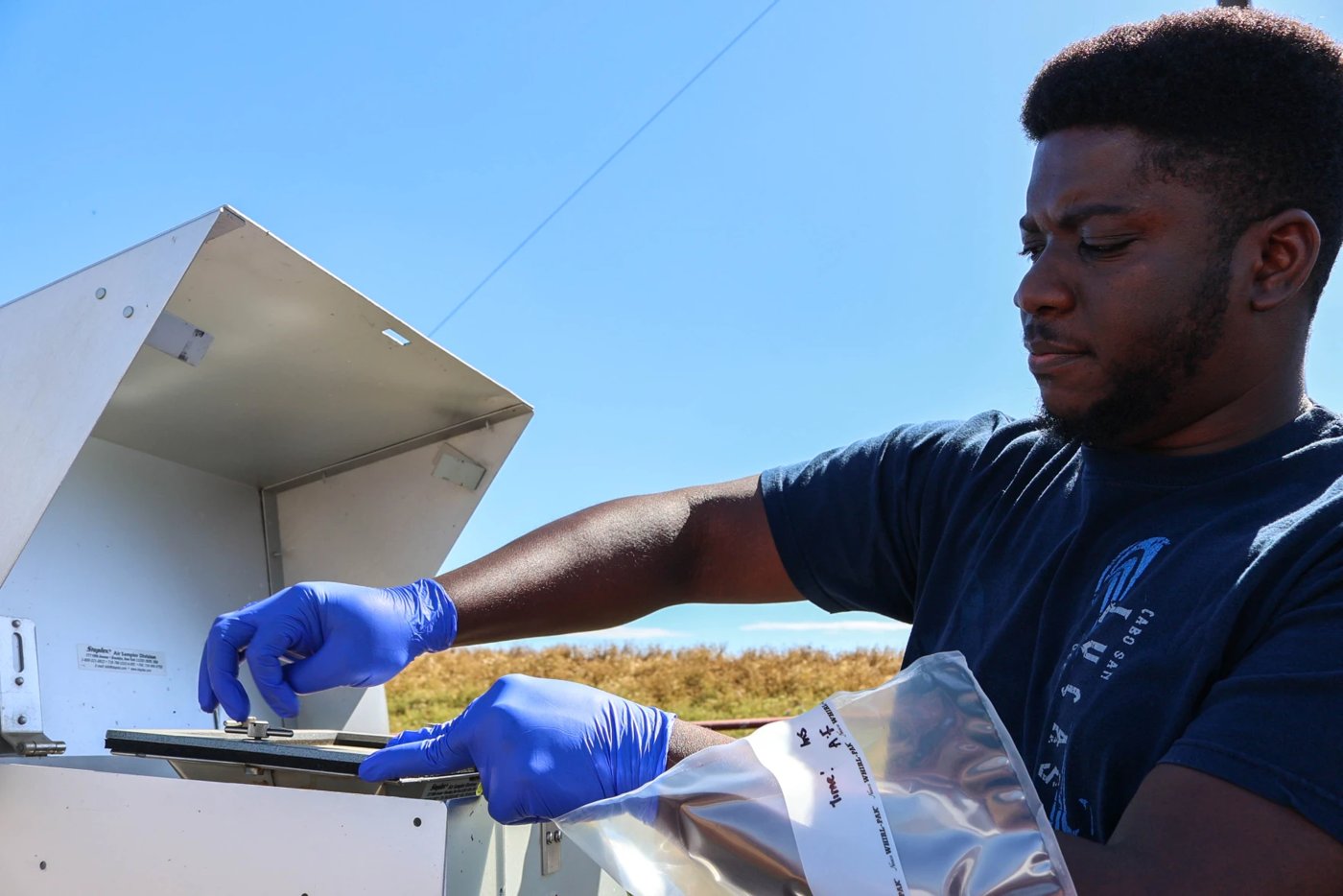
Collecting a dust filter from the air sampler near UC Merced's smart farm.
AerobiomeBacteria, fungal spores, toxins, endotoxins, allergens and pollen carried in Central Valley dust
Valley feverHost immunity to Coccidioides, and the search for new antifungal candidates
ApproachMolecular biology, public health and computational analysis
About
Every two weeks I drive out to a field near UC Merced and change the filter in an air sampler. What I carry back to the lab is dust, and in that dust are bacteria, fungal spores, toxins, endotoxins, allergens and pollen: everything the people of the San Joaquin Valley breathe without thinking about it.
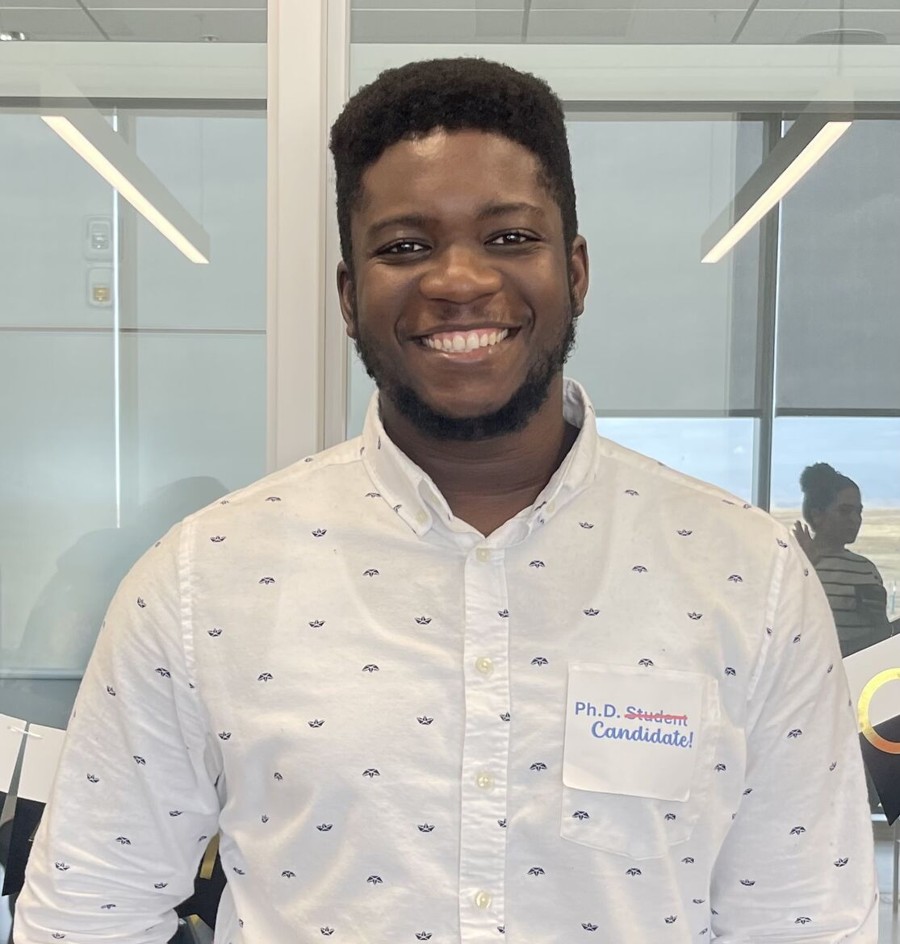
I'm a PhD candidate in the Quantitative and Systems Biology program at the University of California, Merced, working in Dr. Katrina Hoyer's lab. My research is on the Valley's aerobiome: what is actually alive and travelling in that air, and how it shifts with the seasons. The question sits between disciplines, so the work does too. Molecular biology tells me what the filter caught, computational analysis finds the pattern in it, and public health decides what the pattern is worth knowing.
It is worth knowing because of where this air is. The San Joaquin Valley has some of the worst air quality and highest asthma rates in California, and it is where valley fever is endemic. Dust here is measured by its mass and its chemistry far more often than by what is living in it. Knowing that is the first step toward explaining why this air makes people sick, and eventually toward warning them before it does.
The same soil carries Coccidioides, the fungus behind valley fever, and that is the other half of my work. I contribute to the lab's search for new antifungal candidates and to research on how the host microbiome holds fungal growth in check. One side of my research asks what is in the air; the other asks what happens once it is in the lungs.
I came to all of this through microbiology, which I studied at Obafemi Awolowo University in Nigeria, where my undergraduate thesis looked at hepatitis B virus genotypes among blood donors. Before graduate school I worked in quality control in Lagos and in virology and molecular diagnosis laboratories in Nigeria, and taught chemistry and biology. Applied labs are unforgiving about method, and that has stayed with me: a finding is only ever as good as the sample it came from.
The dust is local; the methods are not. Detecting a pathogen in a complex environmental sample, engineering a strain to make it tractable, screening compounds for activity, and turning sequencing output into something a decision can rest on are problems that recur across biotechnology, pharmaceuticals, agriculture and public health. I spent a summer at the Joint Genome Institute optimizing transformation in an industrial yeast, which is the same craft pointed at a different target. I am interested in where these tools go next, in research or in industry.
Away from the lab I sing for the love of it, and I listen to just about everything.
Environmental air sampling
16S and ITS amplicon sequencing
Bioinformatics pipelines
CRISPR-Cas9 engineering
Flow cytometry
Microbiology
Immunology
BSL-3 practices
Research
I work in the Hoyer lab, which studies the immune dysfunction that leads to disease. Its two current projects are host immunity to Coccidioides, and the impact of dust on climate, health and disease in the San Joaquin Valley. My own work sits across both.
The aerobiome of the San Joaquin Valley
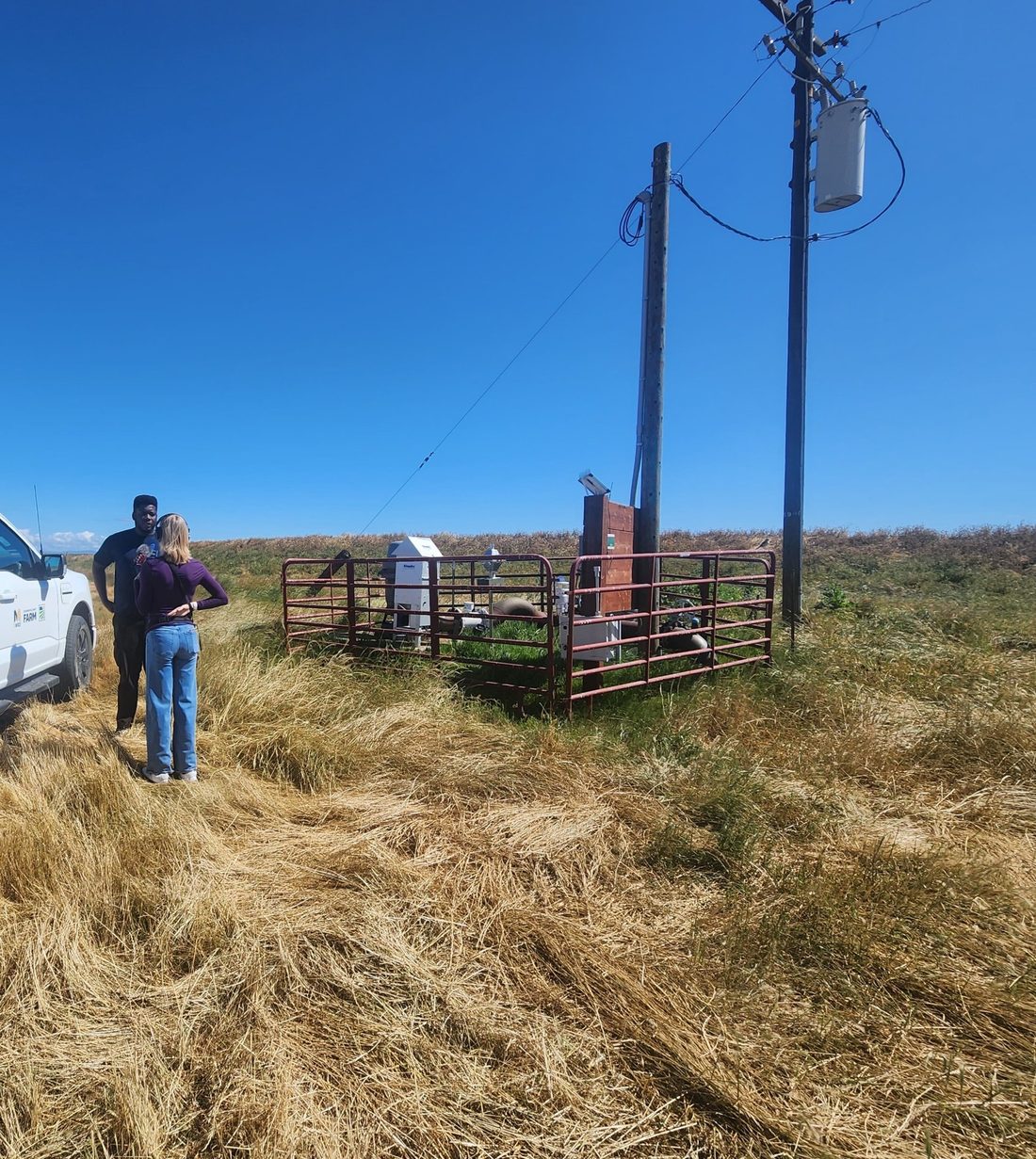
Dust is one of the Central Valley's defining environmental exposures, but what it carries biologically is far less well characterized than its mass or chemistry. My project asks what is actually in it. I sample dust and air twice monthly at twelve locations across the Valley, using both sedimentation and active air filtration, and record soil composition and pH at each site. Back in the lab I extract environmental DNA and prepare amplicon libraries for 16S rRNA and ITS sequencing, then run the results through bioinformatics pipelines to quantify microbial diversity and community structure, and to identify which taxa track with environmental and climatic variables.
The work connects to the lab's wider interest in how particles reaching the lungs provoke the immune system: what overwhelms the cells that normally clear them, and what that does to the immune response afterward. It also sits alongside research across the UC system on where Central Valley dust comes from and how it might be forecast.
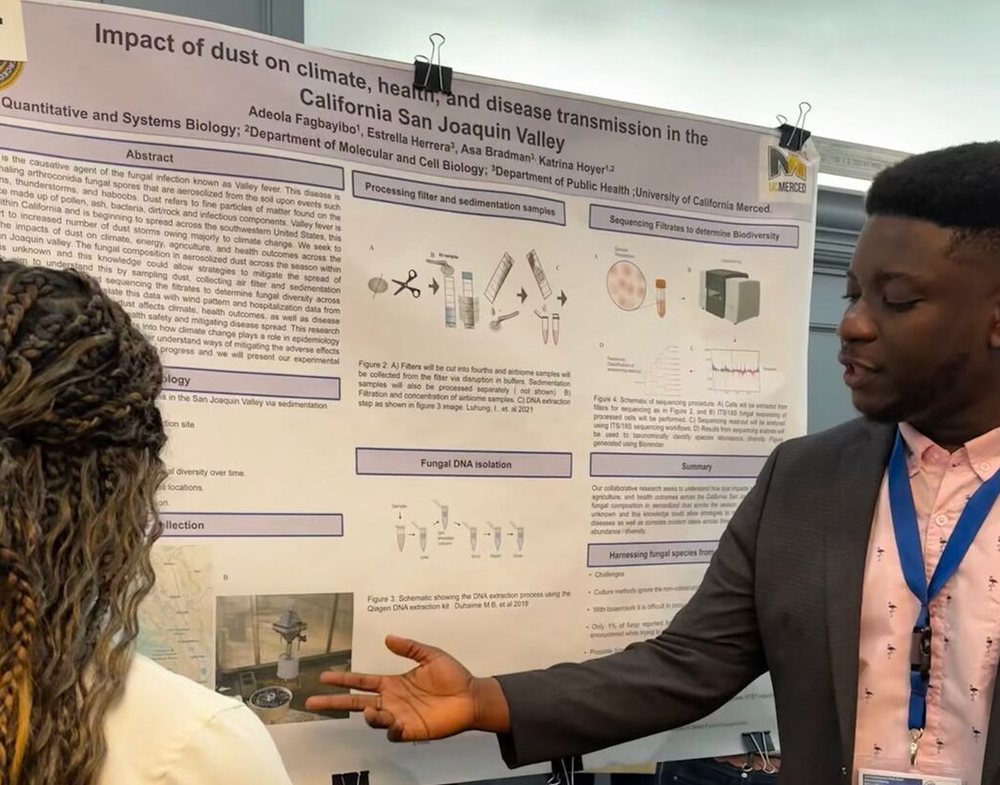
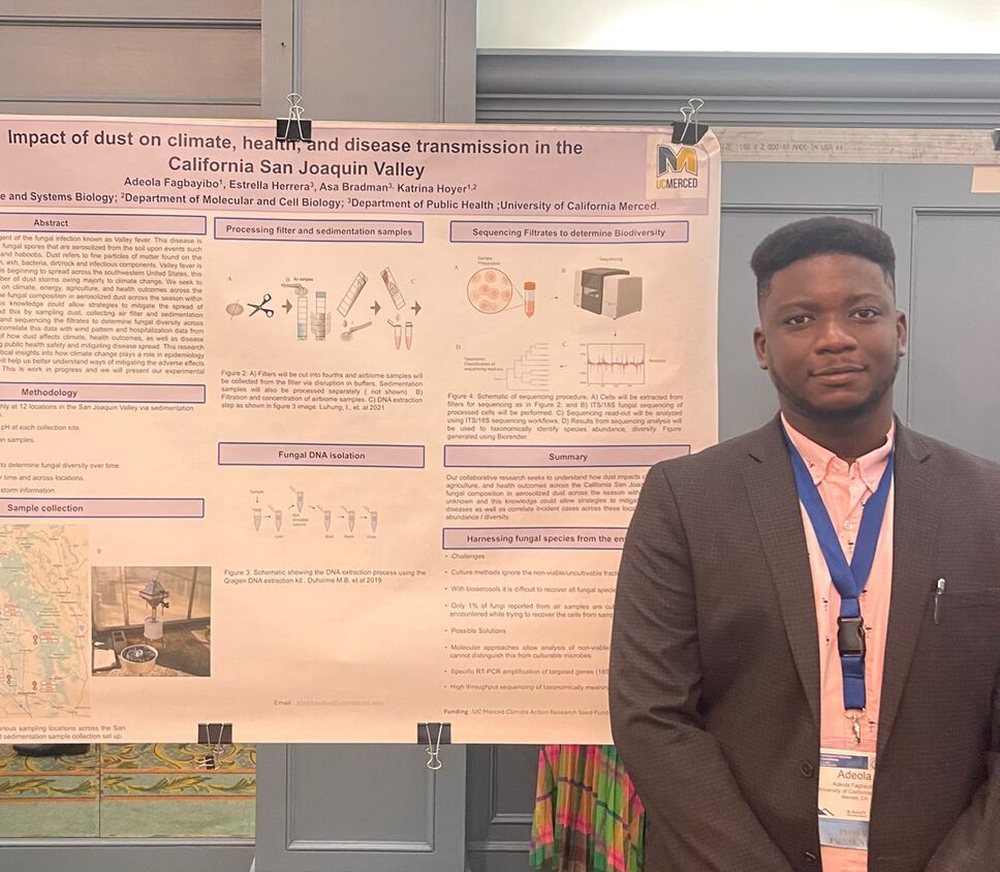
Walking a reporter through one of the Valley sampling sites, beside an active air sampler.Talking through the dust poster at the Coccidioidomycosis Study Group meeting, San Antonio, 2024.The poster in full, with the twelve Valley sampling sites mapped at lower left.
Host immunity and antifungal discovery in valley fever
Valley fever, or coccidioidomycosis, is a respiratory disease caused by the soil fungi Coccidioides immitis and Coccidioides posadasii, endemic to the same region whose air I study. Once inhaled, the fungus takes on an endosporulating form and produces flu-like respiratory illness. Most people clear it with little or no treatment, but a substantial share become moderately symptomatic and a small fraction go on to chronic disease, and it is not well understood why.
The lab works to characterize the innate and adaptive immune response to Coccidioides, with the aim of defining what a productive response looks like and which host responses instead lead to chronic infection. Within that effort I work on identifying microbial antagonists against the fungus, organisms in its own environment that hold it in check, including candidates drawn from California's plant biodiversity. I also contribute to engineering work, using CRISPR-Cas9 to tag Coccidioides posadasii with a red fluorescent protein for in vivo imaging and model development.
Leveraging California's plant biodiversity to discover novel antifungal agents against CoccidioidesA Fagbayibo, S Tejeda-Garibay, V Maslivetc, C Richey, J La Clair, J Noel, KK Hoyer · Poster 21 · 8th International Coccidioidomycosis Symposium / Coccidioidomycosis Study Group Meeting, Davis, CA · August 2026 · program
Engineering Coccidioides posadasii with red fluorescent protein via CRISPR-Cas9 for enhanced in vivo imaging and model developmentP Nguyen, A Fagbayibo, C Richey, KK Hoyer · Poster · 49th Annual West Coast Biological Sciences Undergraduate Research Conference · April 2026; and Poster 53, Coccidioidomycosis Symposium, Davis, CA · August 2026 (program)
Dusty skies, hidden microbes: characterizing the air microbiome in the San Joaquin ValleyTalk · QSB Annual Retreat, UC Merced · April 2026
Climate-driven changes in the microbial composition of dust in California's San Joaquin ValleyTalk · Sierra Nevada Research Institute Career Lightning Talks, UC Merced · April 2026
Seasonal dynamics of airborne microbial communities in the San Joaquin Valley and implications for climate-driven disease transmission and respiratory healthA Fagbayibo, M Perez, E Molina-Herrera, A Bradman, KK Hoyer · Poster · 69th Annual Coccidioidomycosis Study Group Meeting, Scottsdale, AZ · April 2025 · proceedings
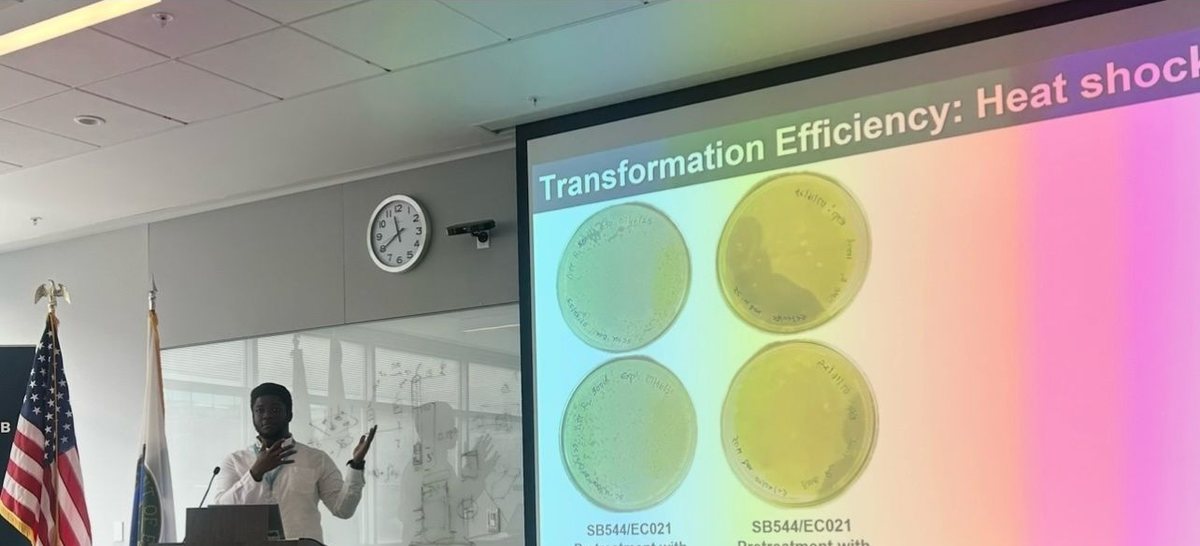
Optimizing transformation protocol for higher efficiency in Issatchenkia orientalis using electroporation and heat-shock methodsTalk · Annual Science Forum, Joint Genome Institute, Lawrence Berkeley National Laboratory · July 2025
Impact of dust on climate, health, and disease transmission in California's San Joaquin ValleyA Fagbayibo, E Herrera, A Bradman, KK Hoyer · Poster · 68th Annual Coccidioidomycosis Study Group Meeting, San Antonio, TX · April 2024 (proceedings); and UC Dust Meeting, Davis, CA · May 2024
Invited guest speaker, Spark 010: Bio Life at a Research University. "When dust carries disease: San Joaquin Valley airborne pathogens and host immunity." UC Merced, October 2026
Invited community talk, "Valley fever is an endemic disease with emerging challenges in California's Central Valley." Los Banos and Merced County Office of Education, March 2026
Experience
Aug 2022 – Present
Graduate Research Assistant
Hoyer Laboratory, University of California, Merced
Design and lead independent projects characterizing the aerobiome of California's San Joaquin Valley using environmental DNA-based air sampling.
Show details
Collect and process passive and active air-filter samples; perform DNA extraction and library preparation for 16S rRNA and ITS amplicon sequencing of bacterial and fungal communities.
Analyze high-throughput sequencing data with bioinformatics pipelines to quantify microbial diversity and community structure, and identify taxa associated with environmental and climatic variables.
Collaborate on studies of airborne Coccidioides and other respiratory pathogens, integrating microbiological, environmental and public-health data.
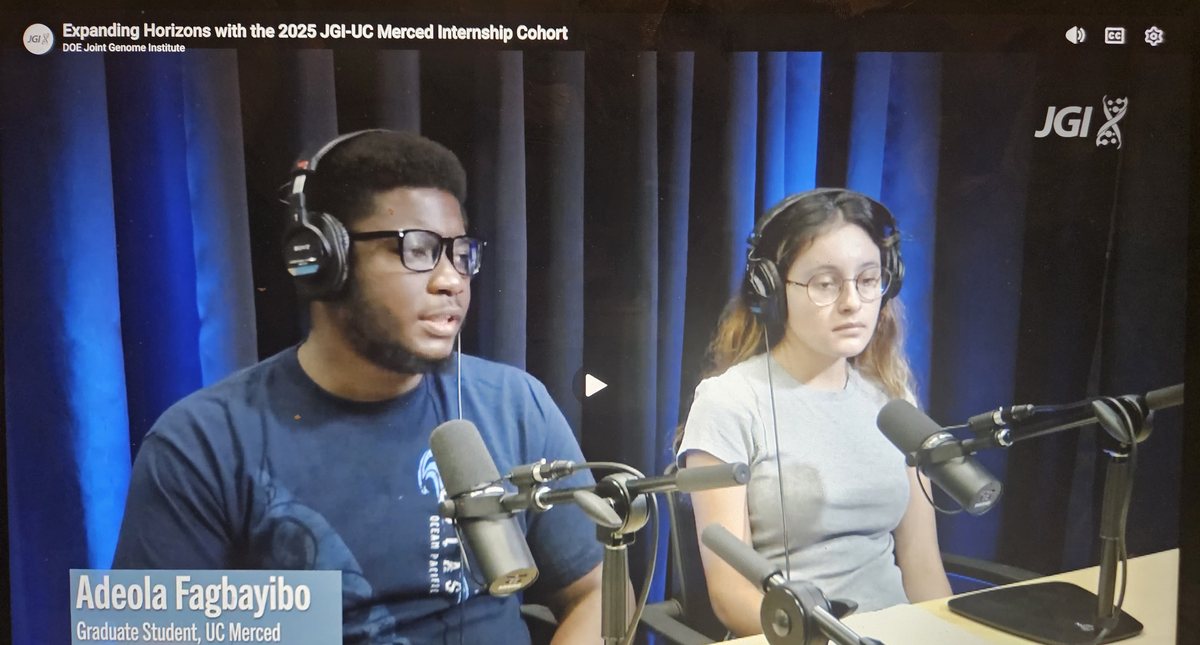
Selected for the 12th JGI–UC Merced internship cohort, one of eight graduate students that summer. Worked in the Synthetic Biology group led by Dr. Yasuo Yoshikuni, mentored by Dr. Thasneem Banu Frousnoon, optimizing transformation protocols for the yeast Issatchenkia orientalis and comparing electroporation and heat-shock methods to improve genetic uptake efficiency.
Show details
Designed experiments to refine voltage, pulse duration, cell preparation and recovery conditions, including DTT and BME pretreatments; analyzed efficiency data to identify optimal parameters.
Combined wet-lab work with computational tools, applying both to the same research problem.
Contributed to team experimental planning and troubleshooting; documented protocols and presented findings at the JGI science forum.
Attended JGI professional development workshops in science communication and technical writing.
Presenting transformation efficiency results at the JGI Annual Science Forum, July 2025.
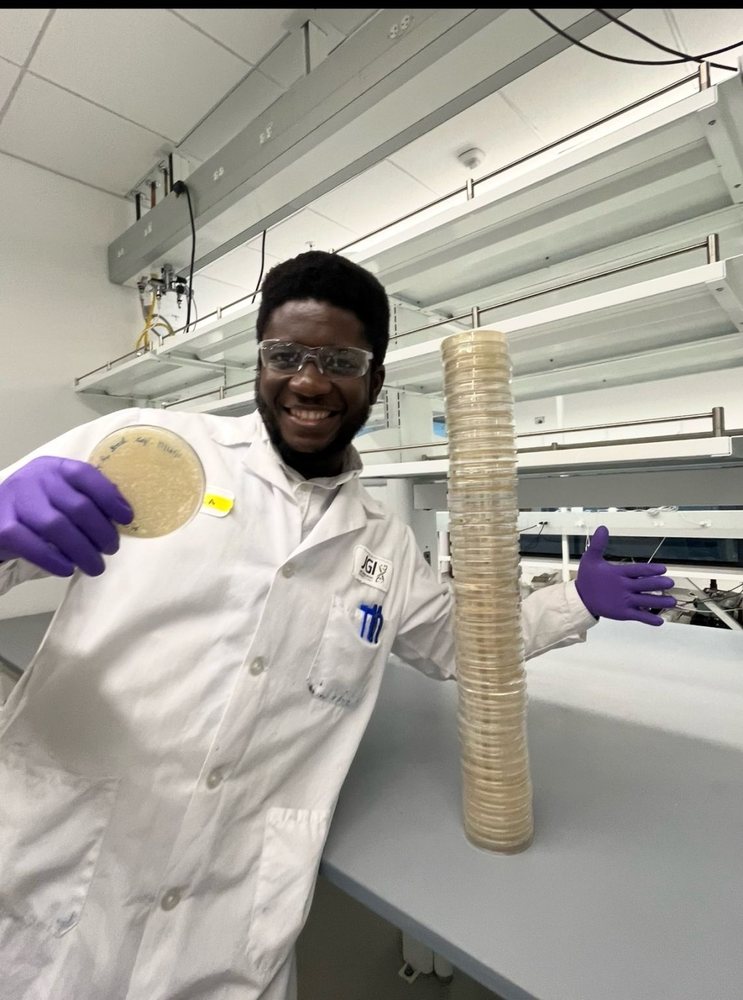
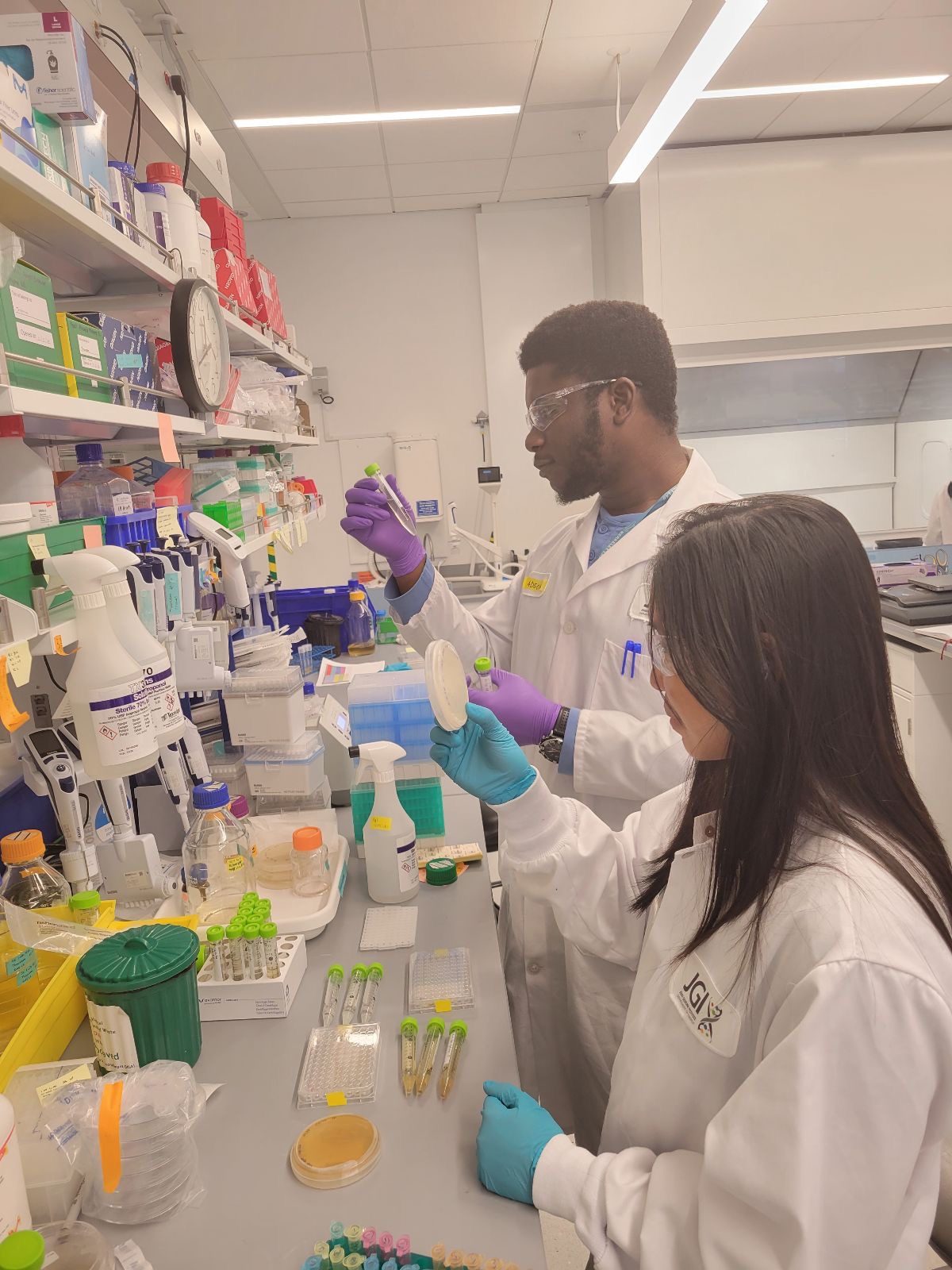
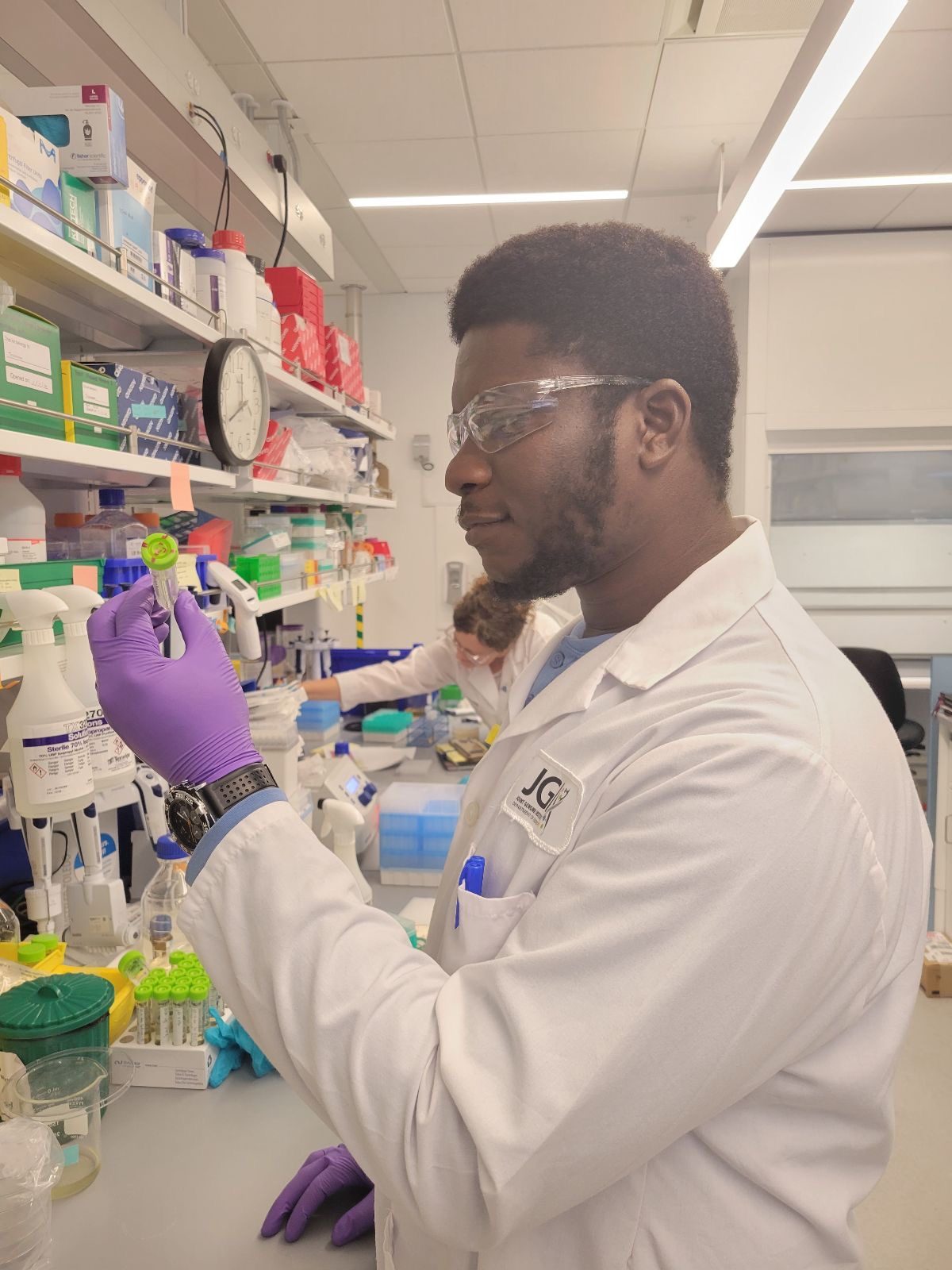
Reviewing transformation plates with my mentor at the JGI bench.Preparing yeast cells for electroporation.
Oct 2019 – Nov 2020
Graduate Intern, Quality Control
Regal Packaging Company · Lagos, Nigeria
Performed microbiological testing to ensure products met quality and industry standards, documented and audited results for traceability, and oversaw daily operation and maintenance of laboratory equipment.
Jul 2018 – Feb 2019
Undergraduate Research Assistant
Japhet Virology Laboratory, Obafemi Awolowo University · Ile-Ife, Nigeria
Assisted with collection and analysis of viral diversity in stool samples from infants and children, and trained visiting undergraduates in core microbiology techniques.
Feb 2018 – May 2018
Industrial Trainee, Molecular Diagnosis Department
Ondo State University of Medical Sciences Annex · Akure, Nigeria
Assisted the virologist in HIV viral-load testing and monitoring, performed HIV antigen and PSA assays under supervision, and maintained records of laboratory tests and patient referrals.
On the founding leadership team of the chapter of the National Organization for the Professional Advancement of Black Chemists and Chemical Engineers at UC Merced.
Oct 2019 – Present
Community Development Volunteer
Nonprofits for the Sustainable Development Goals
As a Developmental Knowledge Facilitator I train students across schools in Lagos, Nigeria on the UN Sustainable Development Goals, working with them toward a safer environment and social wellbeing for all.
Mar 2019 – Present
Global Ambassador
Young African Leaders Initiative (YALI) Network
Teaching and mentoring
Graduate Teaching Assistant in Molecular and Cell Biology, University of California, Merced, since 2022.
BIO 151 — Molecular ImmunologyWeekly discussion and problem-solving sessions on antigen recognition, immune signaling and host-pathogen interactions; office hours and assessments.
BIO 120L — General Microbiology LaboratoryWeekly lab sections; demonstrated aseptic transfer, streak plating and serial dilution; graded reports and quizzes and promoted safe laboratory practice.
BIO 110 — The CellReview sessions on membrane structure, organelle function and cell signaling; graded homework and exams with constructive feedback.
BIO 001 — Introductory BiologySupported a large-enrollment course through active-learning activities, grading, exam proctoring and student communication.
Mentoring
Undergraduate Research Mentor, Hoyer Laboratory, UC Merced, since 2024. Train and mentor three undergraduate researchers in microbiology and molecular techniques, data management, figure preparation and scientific presentation.
Before graduate school I taught biology, chemistry and integrated science in Nigeria: around 150 students preparing for university admission at Excel Preparatory College, Lagos, over 100 secondary students sitting JAMB, WASSCE and NECO at Best Minds College and Academy, Lagos, and as a volunteer peer tutor at New Covenant Academy, Ile-Ife.
Open to conversations about aerobiome and bioaerosol research, microbial genomics and strain engineering, antifungal discovery, and environmental and public health, in academia or industry. I am also glad to hear from students thinking about graduate school.